Table of Contents
Introduction to Miniature Dachshund
The first description of a dog that resembles a Dachshund appeared in 1700, with animals described as low in stature with long slender bodies and somewhat bent front feet. These dogs came in various colors with a Smooth coat. In 1719, a book titled ‘The Complete German Hunter’ illustrated two dogs that represented a breed similar to a Dachshund. In 1812, the first description comparable to a Wirehair appeared. A few years later, the first reference to a Longhair appeared. In 1836, the first portraits appeared of the Smooth, Longhair and Wirehair varieties. They were depicted with both straight and crooked legs. Colors ranged from yellow, brown and black along with dapple and brindle patterns. Breeders crossed coats regularly, focusing on the dog’s hunting ability and coat best suited to the local terrain.
History & Origin of the Miniature Dachshund
Going a long way back, history suggests, by 1879 the breed had become very popular in Germany and for the first time, a list of desirable characteristics was established. These characteristics form the foundation of the breed standard used by the Dachshund Club of America today. A standard for the Longhair was written in 1882 with principal points that the coat be similar to a Spaniel and that colors should be the same as the Smooths. As early as 1797, Wirehairs were produced by crossing Smooths with Dandie Dinmonts, or by crossing Smooths with Wirehaired Pinchers. These early Wirehairs were used solely for hunting without concern for a standard set of traits. However, in 1883, a Wirehair named ‘Mordax’ owned by one of Germany’s active breeders helped to gain public interest.
By 1888 German breeders formed their first breed club, ‘The Tekel Club’, and established its own stud book and requirements for registration. This was possibly one of the most important moments in breed history, as it attempted to purify the breed. Only dogs without major faults could be registered, and to further define the three varieties, the registry would not accept dogs whose parents were not of the same coat variety. By 1895, the breed increased in popularity in Germany not only as a working dog but as a pet. Dog shows had been introduced and attracted the interest of new Dachshund owners. Dachshunds with more length of body and shortness of leg became the winning look at major dog shows, deviating from the hunting style. For several years, breeders of the hunting dog type and show type split to form different clubs and registries, but finally reunified in 1909 as the Association of German Working Dachshund Clubs.
Miniature Dachshunds were in demand by hunters and city dwellers long before the first few were registered in Germany in 1902. Although true dwarfs appeared occasionally in Standard Dachshund litters, breeders believing they were ‘runts’ either destroyed them or sold them as pets to city dwellers. The prestige of participating in dog shows appealed to many city dwellers, and small dogs won as often as larger dogs. As a result, there was great interest in dogs that could live easily in an apartment setting. The dwarfs sold as pets found their way into the show rings, and as success came, so did the desire to selectively breed them as true Miniatures of the Standard Dachshund. At the same time a group of hunter – breeders concerned with the increasing size of the Standard Dachshunds appearing in the show rings, began selectively breeding a smaller, lighter dog that could hunt in a variety of underground conditions, including the sandy soil in north Germany where Standards were often trapped in burrows by cave-ins. These dogs were higher on leg with a fierce hunting ability and could also follow rabbits and other small game underground. Some of these breeders were not willing to take the long path of selective breeding, so bred the smallest Standard Dachshunds they could find to any one of the toy breeds. These crosses looked something like a Dachshund, but also had toy characteristics such as bat ears, light bone, flat forechest and the desire to sit in their owner’s lap – not exactly the hunting dog they desired. Many of these crosses found their way into pet homes, and for a short time into the show rings. Eventually, the Dachshund/toy crosses disappeared as did the taller, sharper hunting type. The surviving true Miniatures became the foundation of today’s dogs.
Distinctive Physical Appearance
Miniature Dachshunds are easily identified because of their elongated bodies (long and low-slung), short legs and charming look. They also feature a unique body type which is characterized by a long body line that is supported by short, stout legs and a somewhat deep chest. Even though these dogs are small in stature, they possess a muscular physique that is in proportion to their body. Therefore, the dog has a confident, alert and energetic appearance. Due to the fact that these dogs are so small, it is obvious that they are a very recognizable breed of small dog.
One of the most attractive features of Miniature Dachshunds is their beautiful facial appearance. They have elongated heads, gently tapered muzzles, and expressive, almond-shaped eyes that give them a curious and intelligent expression. Their long, floppy ears hang gracefully on either side of their faces, adding to their adorable appearance. Their eyes are usually dark and warm, although certain coat colors may be associated with different eye shades.
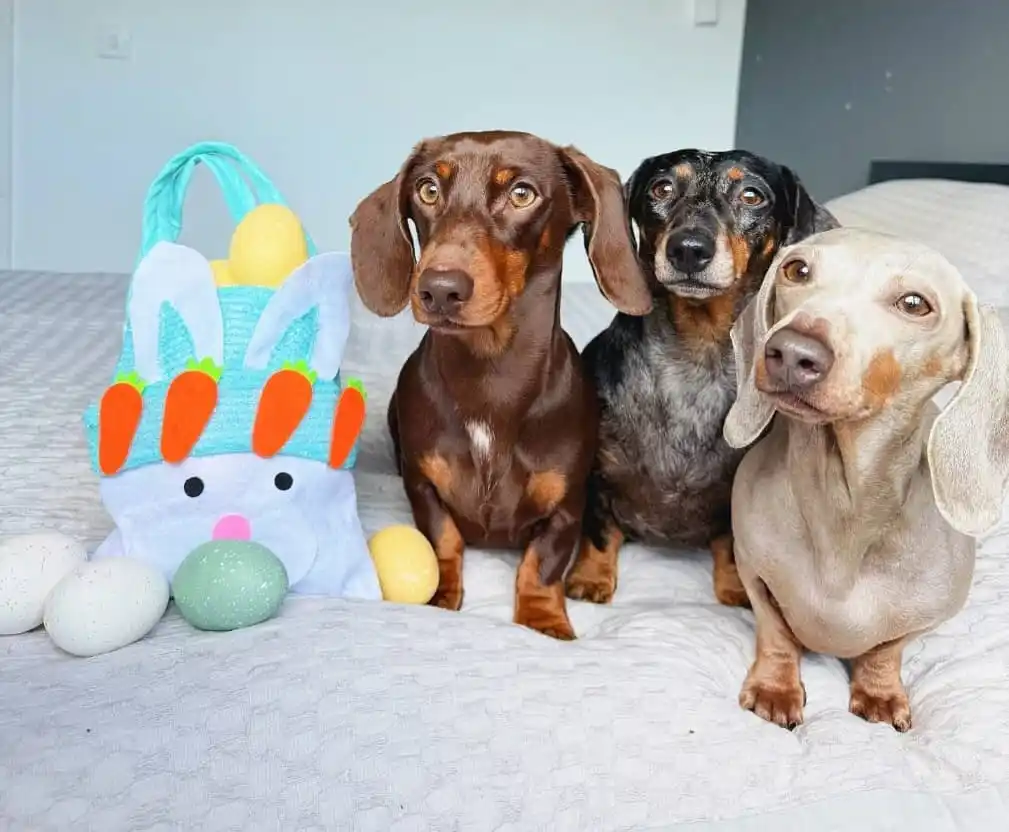
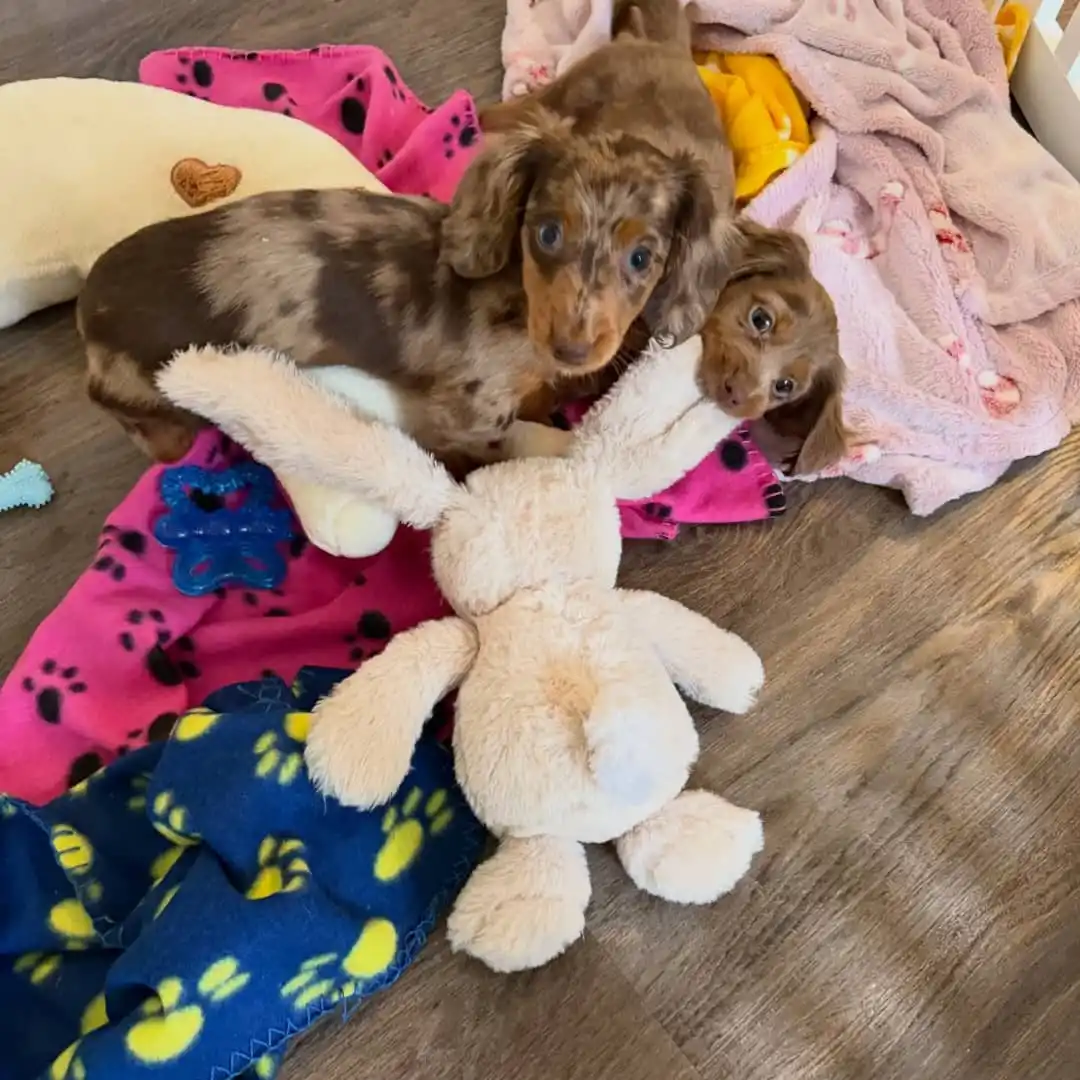
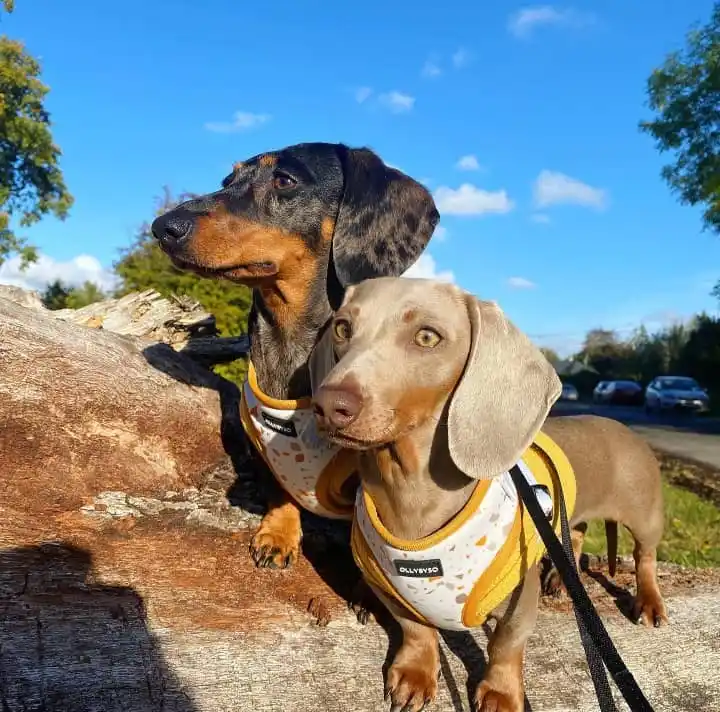
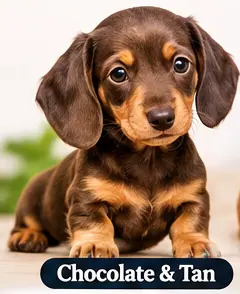
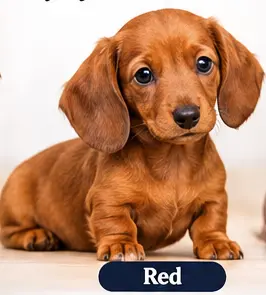
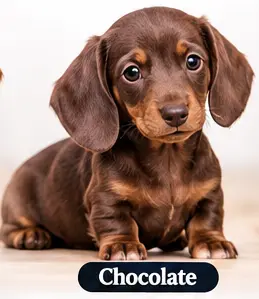
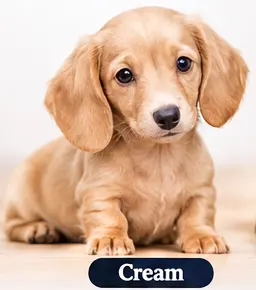
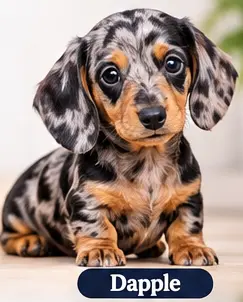
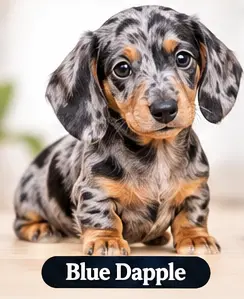
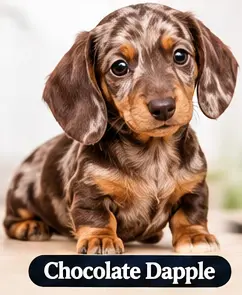
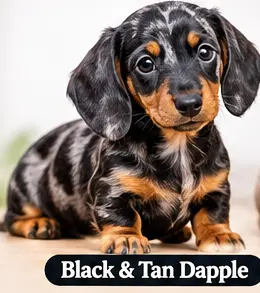
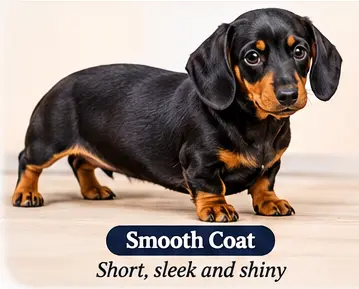
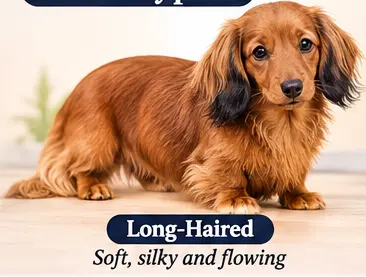
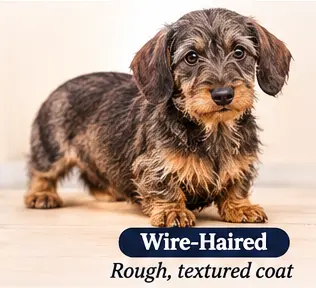
Miniature Dachshunds come in a variety of stunning coat colors and patterns, making each puppy unique. Common colors include chocolate, black and tan, red, cream, chocolate and tan, and dapple. Some have beautiful two-toned markings, while others feature distinctive spotted or marbled patterns. Their coats can be smooth and glossy, long and silky, or naturally textured and wiry, depending on their coat type.
Their tails are moderately long and generally carried in line with their backs, complementing their elongated bodies. Their short legs, strong paws, deep chest, and compact frame contribute to their characteristic appearance. Although miniature in size, they carry themselves with remarkable confidence and have a bold, lively presence.
Overall, Miniature Dachshunds combine an elegant yet playful appearance with distinctive physical features. Their adorable proportions, expressive faces, variety of coat colors, and unmistakable long-bodied shape make them an exceptionally charming and recognizable companion breed.
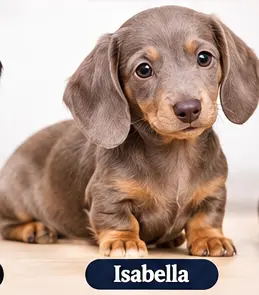
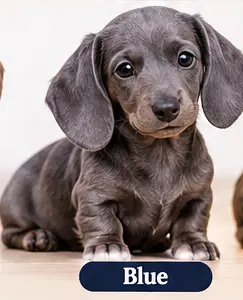
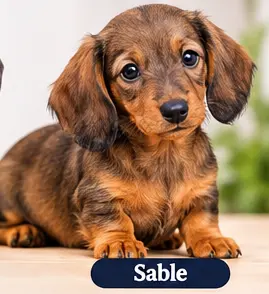
Key Physical Characteristics
-
Distinctive Body Shape: Dachshunds are famous for their long, elegant bodies, short sturdy legs, and low-to-the-ground appearance, giving them their charming sausage-dog shape.
-
Loyal and Affectionate: They form strong bonds with their families and enjoy spending time with their owners. They are loving companions who often appreciate cuddles and attention.
-
Intelligent and Curious: Dachshunds are clever, observant dogs with a natural curiosity. They enjoy exploring their surroundings, learning new things, and discovering interesting scents.
-
Playful and Energetic: Despite their small size, Dachshunds have lively personalities. They enjoy interactive games, daily walks, toys, and activities that keep them mentally and physically stimulated.
-
Brave and Confident:Originally bred for hunting, Dachshunds are naturally courageous and often display a bold personality. They can be surprisingly fearless despite their miniature stature.
-
Excellent Watchdogs: They are naturally alert and attentive to their surroundings. Their keen hearing and tendency to bark make them good little watchdogs.
-
Distinctive Coat Varieties: Dachshunds come in three beautiful coat types: smooth-haired, long-haired, and wire-haired. They also display a wide range of attractive colors and patterns.
-
Independent and Determined:Dachshunds have an independent nature and can sometimes be stubborn. Their strong instincts and determination make consistent, positive-reinforcement training especially important.
Personality & Temperament
Dachshunds are known for their charming, affectionate, and confident personalities, combining a playful spirit with a deeply loyal nature. They form strong bonds with their families and love being involved in everyday activities, whether it's playing, exploring, or curling up beside their favorite people. Naturally intelligent and curious, they enjoy discovering new surroundings and engaging in interactive games. Despite their small size, Dachshunds have bold, courageous personalities and a surprising amount of independence, often displaying a determined and occasionally stubborn temperament. They are also alert and protective, making excellent little watchdogs. With proper socialization, consistent training, and plenty of affection, Dachshunds make loving, entertaining, and devoted companions.
Dachshunds are known for being:
-
Courageous & Audacious: Originally bred in Germany to track and flush out badgers from underground burrows, they possess a fearless, tenacious mindset that makes them bold protectors.
-
Deeply Affectionate & Loyal: They form intense, devoted bonds with their owners and love to snuggle, often wanting to be right by your side.
-
Clever & Independent:Their high intelligence comes paired with a strong independent streak, meaning they like to think for themselves rather than blindly obey commands.
-
Vocal & Alert: Dachshunds have a surprisingly deep, booming bark relative to their size and tend to act as natural watchdogs, vocalizing at strange noises or passersby.
-
High Prey Drive:Because they are hound dogs, they love to sniff, track, dig, and chase small animals or toys.

Are Mini Dachshund Good Family Pets?
Dachshund make excellent family companions for several reasons:
Family-Friendly
Gentle and patient with children when properly socialized
Adaptable
Adjust well to various living situations, including apartments
Loyal
Devoted to its family and eager to please, making it a dependable and loving companion.
Fun Facts
Dachshund Care Guide
Diet & Nutrition
A balanced, high-quality diet is essential for keeping your dachshund healthy, energetic, and in peak physical condition. Proper nutrition supports muscle development, joint health, immune function, and a shiny coat while helping maintain a healthy weight throughout every stage of life. Feeding the right amount of nutrient-rich food, along with fresh water and appropriate treats, promotes long-term health and overall well-being.
Recommended Diet Options:
-
High-Quality Dry Kibble:A complete and balanced kibble formulated for active, medium-sized breeds provides essential protein, healthy fats, vitamins, and minerals for everyday health.
-
Wet (Canned) Dog Food: Wet food offers excellent hydration and palatability, making it a good option for picky eaters or dogs that need a softer diet.
-
Fresh Cooked Diet: Freshly prepared meals made with lean meats, vegetables, and whole grains can provide excellent nutrition when formulated to meet a dog's dietary needs.
-
Raw Diet (BARF): A carefully planned raw diet consisting of raw meat, bones, and organs may be suitable for some dogs but should be developed with veterinary guidance to ensure nutritional balance and food safety.
-
Mixed Feeding: Combining high-quality dry kibble with wet or fresh food can improve variety, enhance flavor, and increase moisture intake while maintaining balanced nutrition.
Always provide fresh water and monitor your puppy/dog weight, adjusting portions as needed to maintain ideal body condition.

Living with a dachshund
The Miniature dachshund is rewarding for active families and individuals. These affectionate, energetic dogs thrive on companionship, daily exercise, consistent training, and plenty of interaction, making them loyal, loving, and well-rounded household companions.
Good with children
Patient and playful with kids of all ages
Good with other pets
Sociable with cats and other dogs
Apartment-friendly
Adapts well to smaller living spaces
Very Loyal
Devoted to its family and eager to please